


The older I get, the more I realize sustainability doesn’t happen by accident. If I want to show up well — in my marriage, in my work, in my passions, in my friendships, in my own mind — I cannot wait until I am depleted to begin caring for myself. I’ve learned that if I don’t take care of my body and nervous system proactively, they will eventually take the choice out of my hands.
I regularly romanticize the softer things in life and never hesitate to share how I pamper myself (particularly in glamorous settings), but underneath the aesthetic is something sturdier: small, consistent acts that keep me sustained before burnout gets a vote.
And I say this as a millennial who was thoroughly proselytized by 2017-era self-care. Jade rollers. Sheet masks. Trudon candles flickering beside a clawfoot tub. We were told — earnestly! — to treat ourselves. And somewhere along the way, “self-care” became both commodified and trivialized. It was co-opted into something glib, almost indulgent. A punchline. A way to say you were opting out. Phoning it in.
But what if real self-care — the kind that regulates your nervous system at the deepest level — doesn’t look indulgent at all? What if, at first blush, it looks like the harder choice? The less glamorous one. The one that requires restraint, repetition, and a little resolve.
For me, it often does. It is less ceremony and more calibration. Less about retreating from life and more about maintaining the capacity to meet it. What sustains me rarely announces itself as excess; it presents instead as consistency, restraint, and deliberate care.
These are the practices I return to — not because they are easy, but because they steady me. Not because they signal virtue, but because they preserve it.
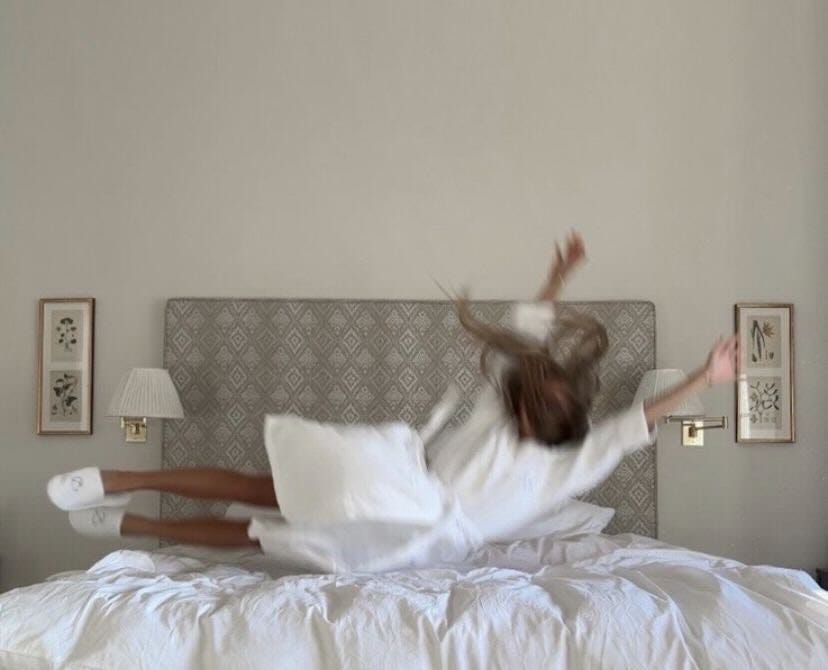
Make the Bed (Even Just to Get Back Into It)
I make the bed Every. Single. Day. Sometimes literally just to crawl right back into it!
In his famous 2014 University of Texas commencement speech and subsequent book, Make Your Bed, Admiral William H. McRaven, a retired U.S. Navy SEAL, presents the hypothesis that by completing simple daily tasks, starting with making your bed, you build the discipline, self-respect, and momentum necessary to overcome life’s challenges, achieve bigger goals, and ultimately change the world. For me, it signals that no matter what happens in my day, I did something that, even if just psychologically, is productive and helpful.
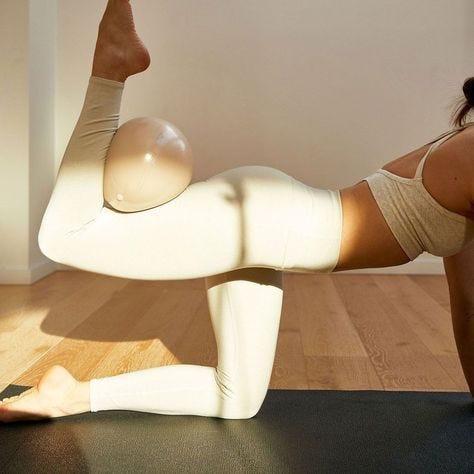
Move Your Body
When I skip movement, I feel it almost immediately in my temperament. A walk softens the sharp edges. Lifting something heavy reminds me I am capable. Even ten minutes of stretching while water boils for pasta shifts the energy in my body. My mind behaves differently when my body has been used.
For years I thought this meant I had to attend the orange-lighted boot camp with fraternity house music piping through the stereo at 5am or sacrifice myself to the alter of the elliptical, one hour at a time. My life quite literally changed though when I discovered Pure Barre and Pilates in March 2023. I have never been stronger, healthier, and enjoyed my movement practices more! It matters so little what you do but immensely that you do something.
Log Your Spending
I track every dollar because I like knowing the truth. Avoidance breeds a low-grade hum of anxiety I’d rather not carry. Sitting down with my accounts feels grown-up in the best way. It tells me I’m paying attention to my life. And paradoxically, that discipline is what allows for pleasure. When I know my accounts are in order, I can indulge in the occasional “treat yourself” moment — the candle, the cashmere sweater, the facial — without a flicker of doubt trailing behind it. Clarity makes room for generosity, even toward myself.
Meditate
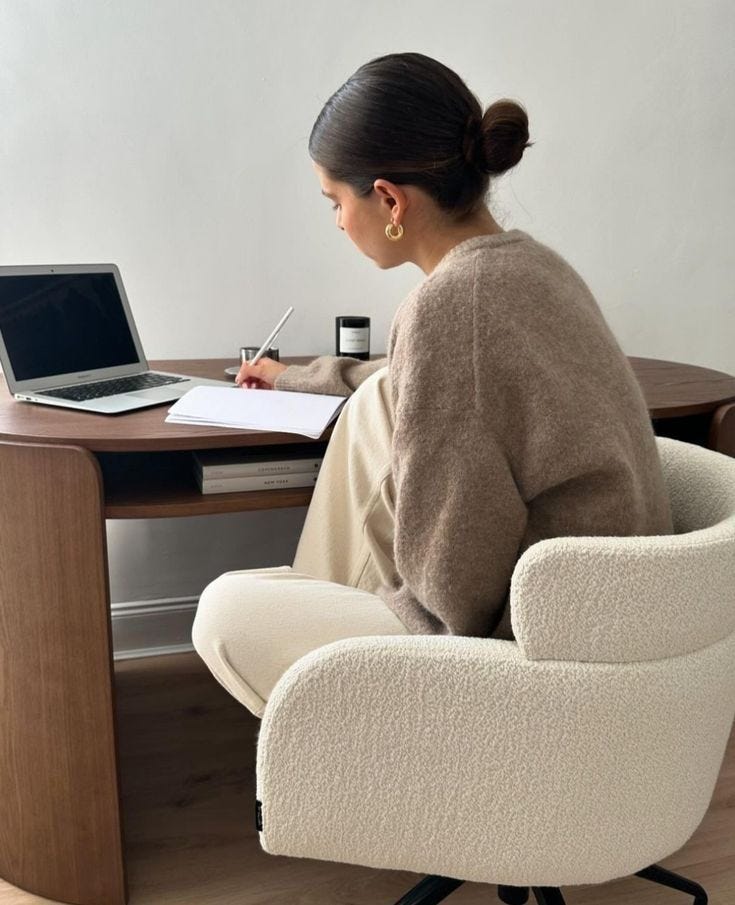
For years my midwestern eyes rolled when I heard about meditation. I proclaimed I’m too busy to tackle my task list, and now you want me to sit crossed legged and do nothing? As a productivity addict, it was a non-starter. But I need to tell you: after the integration of regular movement into my life, this is by far the most impactful practice I have adopted, despite only requiring 5-10 minutes of my day.
I adore Headspace, and I recommend it highly for beginners who are completely new to meditation and would like to learn fundamental techniques to get the most out of their practice. But, as a Hoda Kotb superfan, I transitioned in October to her Joy 101 app, which I find to be a bit more holistic in its offerings. I love how the programming thoughtfully presents positive affirmations, longevity conversations, breathwork, meditation, and even sound baths into its curriculum. It feels intelligent and expansive rather than prescriptive. I often press play and let it run while I’m in the shower — a small pocket of recalibration just for me.

Reading > Scrolling (If You Must Scroll, Make It Pinterest)
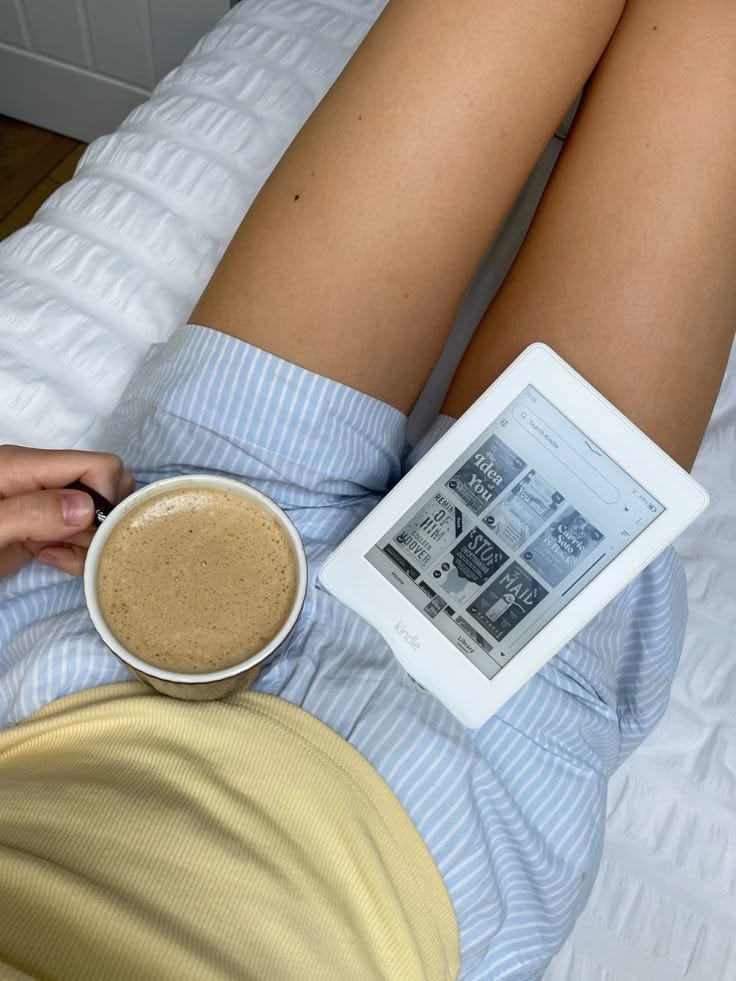
When I reach for my phone out of habit, I try to ask what I’m actually needing. If I want escape, I pick up a book (this is where having my small Kindle easily on hand at all times comes in handy). If I want inspiration, I’ll wander Pinterest for a few minutes and close it with intention. I guard my attention more carefully than I used to.
Set Boundaries with Yourself
For a long time, boundaries felt confrontational to me. I associated them with conflict — with telling someone else no.
But more often, the boundaries I’m setting are with myself. I limit my screen time because I know how easily it expands to fill every margin. I guard my sleep like it’s an asset — because it is. I’ve shared before that I limit myself to one school-night social outing a week. Not because I don’t love a cocktail with girlfriends or seeing colleagues at a community event, but because my introverted nature requires time alone to rest and recharge. And the best part? These boundaries allow me to show up fully in my days and with presence — without the undertow of exhaustion or resentment pulling at my heels.

Connect with Friends
It is embarrassingly easy, in the hustle of a full life, to let connection slip to the backburner. A call gets postponed. A check-in text sits drafted but unsent. Days turn into weeks.
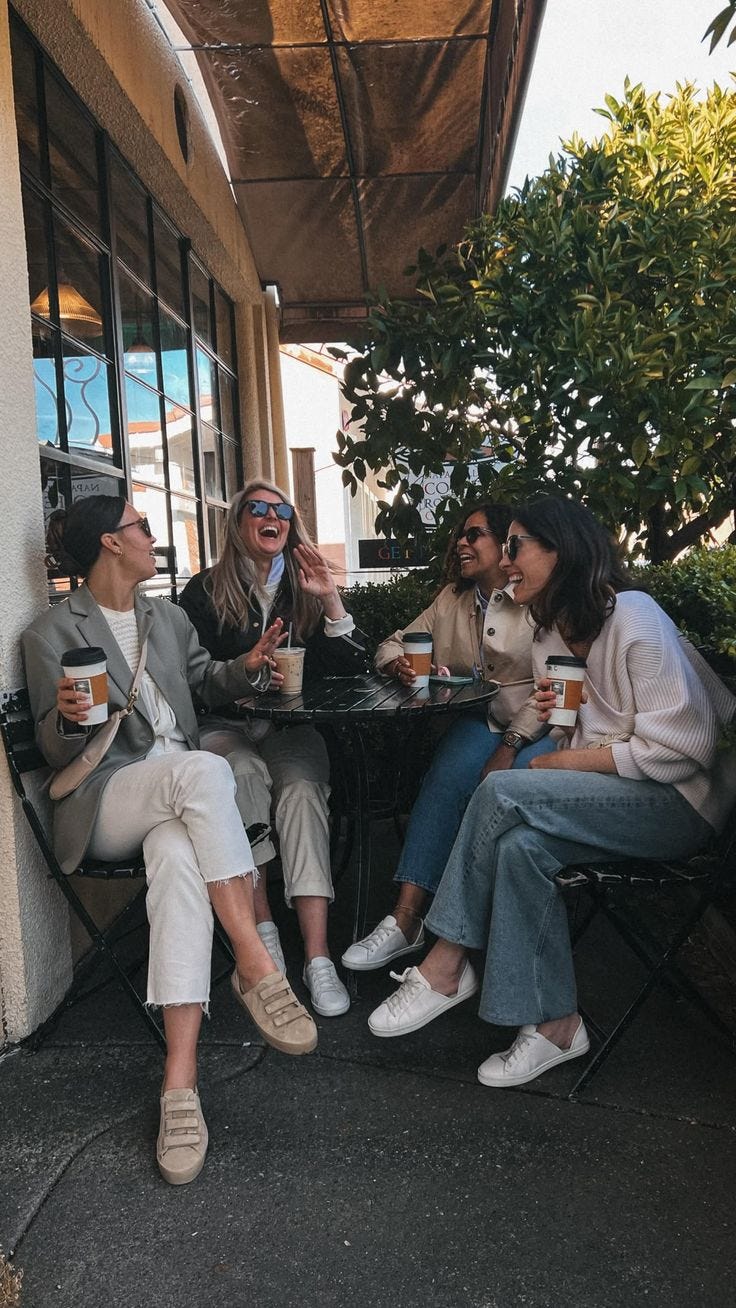
Here’s the thing though: People with strong social connections are generally healthier and happier, living longer lives with lower risks of chronic illness. Robust relationships can lower blood pressure, reduce inflammation, and improve cardiovascular health. A lack of meaningful connection poses health risks comparable to smoking fifteen cigarettes a day. That statistic alone was enough to recalibrate my priorities.
So I’ve become more deliberate about reaching out — about telling a friend why they matter to me, about sending the thoughtful message instead of assuming she already knows.
I also try to respond to the texts that have been quietly piling up. Clearing digital clutter clears mental clutter. The small dread of “I need to get back to her” dissolves the moment I do.
And yet — there is nuance here. As Glennon Doyle writes in Untamed, “Texts are not the boss of me, and neither is anybody who texts me. I have decided, once and for all, that just because someone texts me does not obligate me to respond.” I hold that, too. Connection should serve depth, not obligation. I respond and engage where there is real relationship — where there is shared history, care, mutual investment.
There’s a difference between tending a garden and watering every passing weed.
Take Your Vitamins
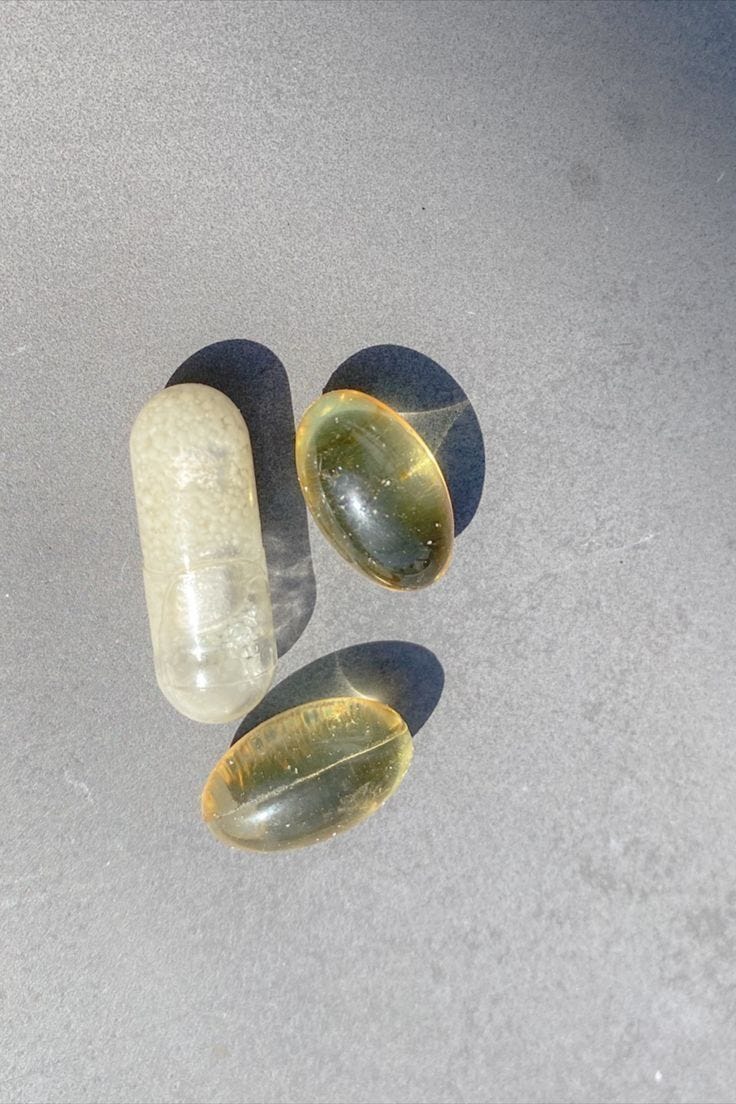
I used to be inconsistent — a bottle here, another there, half-finished and forgotten in a cabinet. Now I keep it simple. I love the Perelel vitamin packs that come pre-portioned for the day. There’s something oddly satisfying about tearing open the little packet and knowing, “Okay. Done.” No guessing, no measuring, no rummaging through five amber bottles like I’m compounding something in a lab.
Pick Up an Analog Hobby
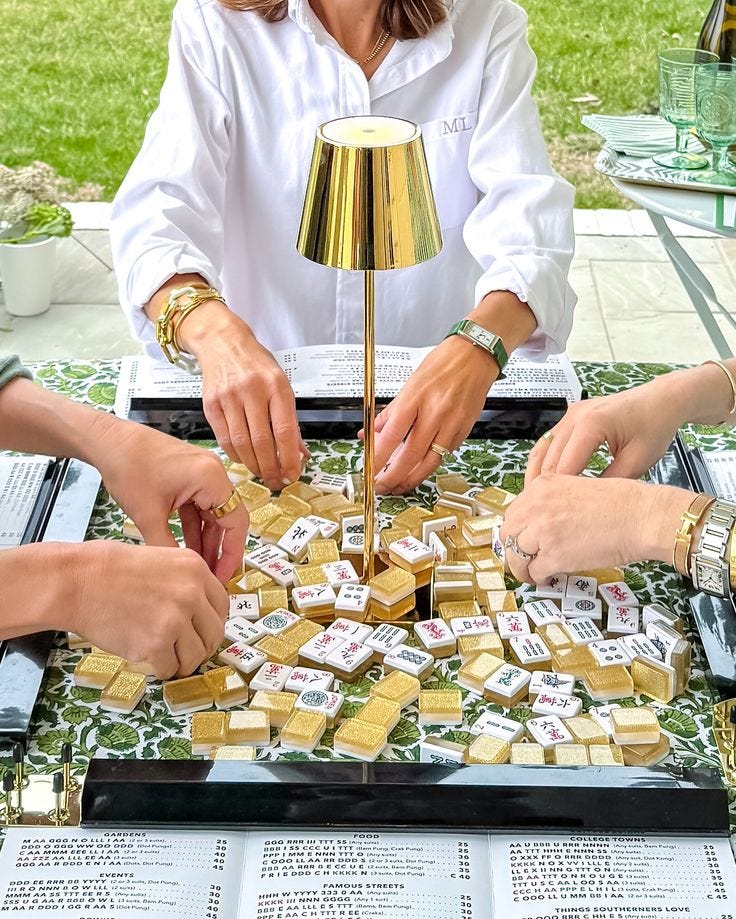
There is a particular magic that comes from real pages, real tiles, real ink — and I say that as someone who spends an inordinate amount of time living on the internet. Mahjong tiles clicking across the table. A crossword sprawled at the kitchen counter with an actual pen. A book with dog-eared corners and a cracked spine. When my hands are occupied with something tactile, my brain stops trying to optimize everything.
I’ve been following Professor Marina Cooley for more on the research behind hobbies, and it’s fascinating how consistent the data is: people who engage in regular leisure activities — especially hands-on ones — report lower stress, better mood regulation, and greater overall life satisfaction. It isn’t frivolous. It’s neurological.
Cook Meals at Home (Pasta Primavera Counts)
There are nights when takeout feels like salvation. The app is open. The order is two taps away. And in the moment, it feels indulgent — almost luxurious — to outsource the effort.
And yet, I know myself. I almost always feel a little off afterward. Heavy. Sluggish. Slightly regretful that I spent $42 on chicken fried rice from P.F. Chang’s. It’s convenience that doesn’t quite comfort.
And if I’m honest, cooking is one of those forms of self-care that looks hard in the moment. It requires forethought. Groceries. Dishes. Standing at the stove when sitting on the sofa would be easier. It asks for a little discipline when rotting is whispering my name.
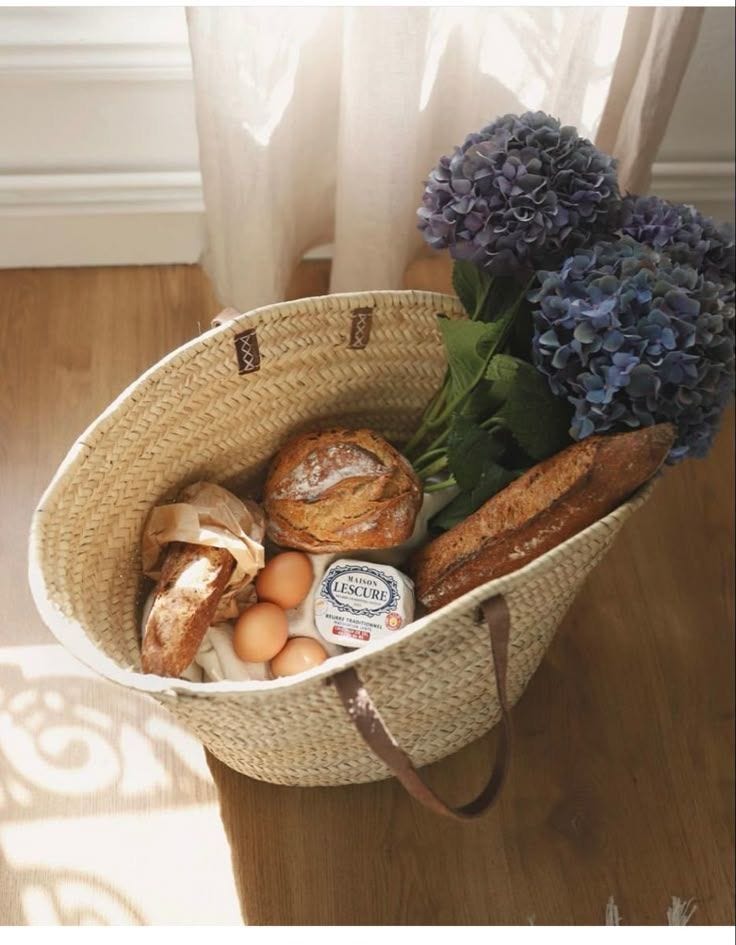
But cooking at home saves money in a way that compounds quietly over time. It’s also almost always healthier. Even meals that are richer — buttery, cheesy, carb-forward — feel different when they’re made at home. There’s a spectrum between highly processed convenience food and something thoughtfully prepared, and homemade almost always lands closer to nourishment.
Pasta primavera is my go-to. It has the emotional support of pasta — and yes, butter and cheese, because we are not ascetics — but it also carries whatever vegetables I have on hand. Zucchini, blistered tomatoes, colorful peppers.
Watch Your Alcohol Intake (Boo!)
I love a beautiful glass of wine as much as anyone! A candlelit dinner!! A celebratory toast!!! A Friday libation!!!! But I’ve started paying closer attention to what happens after. The second glass is often less about enjoyment and more about momentum. Habit disguised as indulgence.
And, not to mention, alcohol disrupts my sleep architecture and leaves me with the dreaded “hangxiety” (Do all my friends hate me? Did I say something weird?). When I drink less, I wake up steadier. My resting heart rate is lower. My mood is less fragile. My workouts feel stronger. My skin looks better. It is almost annoyingly obvious.
So I’ve reframed it. It’s not deprivation. It’s discernment. I still enjoy a drink (or two . . . maybe three!). I just make sure I’m choosing it consciously rather than sliding into it automatically.

Go to Therapy
I have been going to therapy for nearly ten years. That sentence alone feels grounding. Like an accordion, my visits expand and contract depending on the season I’m in — sometimes weekly, sometimes less frequent — but the throughline is constancy. It is a space that exists solely for me with a professional I deeply trust.
I won’t pretend I glide into every session eager and luminous. Often, I dread it. There are days I would much rather stay on the surface than excavate what’s underneath. Talking about the hard things requires energy. It asks for honesty when avoidance would be easier.
And yet, I have never once left feeling worse for having gone. Without fail, there is more clarity on the other side. A reframed narrative. A softened edge. A recognition of a pattern I can now interrupt instead of repeat. I leave better prepared to engage with this world in a way that aligns with my heart and my values.
Get Fresh Air (Even When It’s Cold)
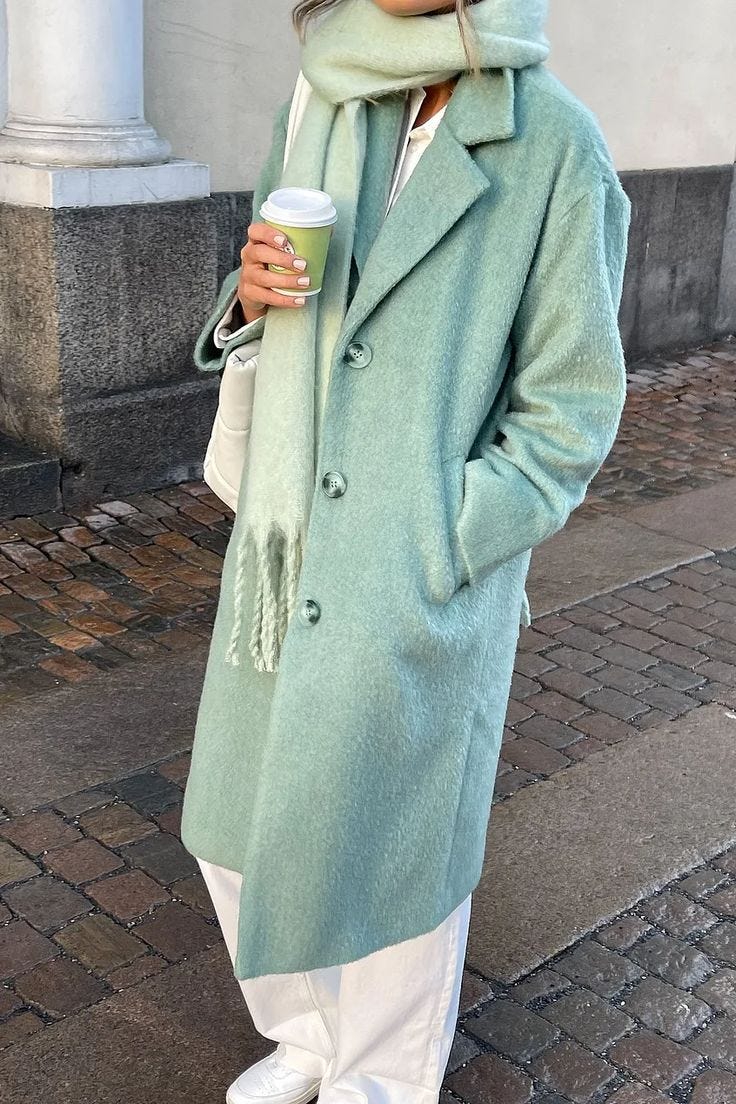
I hate being cold. Deeply. I am the person in socks, sweater, and possibly a blanket even in July. Which makes this one especially hard for me. There is resistance every time. But it is also the practice with the most immediate physiological payoff.
Cold, fresh air increases alertness, improves circulation, sharpens focus, and elevates mood. And while I am actually not a big walker (I know, it’s off brand), what I do love is stepping outside to tend to my new little herb garden. Trimming basil. Checking on rosemary!
And when I can’t manage even that? I “burp” the house. I open the windows or doors for five minutes and let fresh air circulate through the rooms. Even in winter. Especially in winter! Improved ventilation indoors reduces carbon dioxide buildup and airborne pollutants, which can enhance cognitive performance and reduce headaches and fatigue. And, for my mood, there is no feeling like that first clarifying, deep, brisk breath.
These tips are incredibly helpful. I often wait to do self care until I feel almost empty and one of my goals for this year has been to change that!
Love all of your tips, Lauren! ♥️